Skip to main content


Firstly, the research linking neck alignment to pain is underwhelming. Many people with poor posture or reduced neck curves have little or no pain, while many people with neck pain have relatively normal alignment. The relationship between alignment and symptoms is far more complex than many professionals, therapists, and advertisements would have you believe.
Secondly, as we age, the structure of our spine naturally changes. While posture and movement can change, which is typically due to the muscles (see next paragraph), it would be misleading to promise that a device can permanently “realign” every neck. Many dramatic before-and-after posture photos simply show someone standing taller and paying more attention to their posture, rather than any meaningful structural change. It’s a bit like sucking in your tummy and claiming you’ve lost weight.
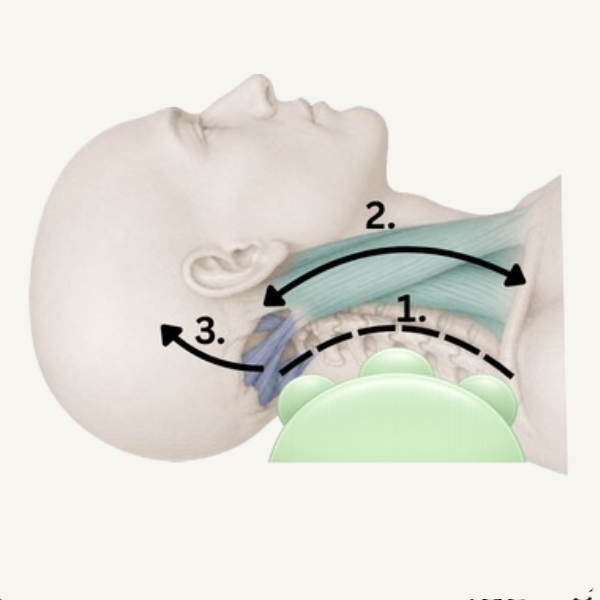
The irony is that Neck IQ was designed around many of the same principles commonly associated with improving posture. The neck attachment gently supports the cervical curve, stretches the SCM muscle at the front of the neck, and helps release tension around the base of the skull, neck, and shoulders. However, claiming these effects will permanently correct spinal alignment would go far beyond what the current evidence supports. Because making such claims, is assuming Neck IQ can reverse decades of normal aging of our spines, essentially reversing the aging process!
The goal of Neck IQ isn’t to realign your spine. Its purpose is to help release chronic muscle tension, reduce sensitivity in common trigger points, and gently mobilise stiff, achy joints—factors that are often far more relevant to neck pain than the exact shape of your neck.
In other words, Neck IQ is designed to help you feel and move better—not to promise structural changes that may have little relationship to your pain in the first place.